
Utility Trenching: What Every Homeowner Needs to Know Before Digging
Everything you need to know about utility trenching — from calling 811 to proper backfill and compaction.
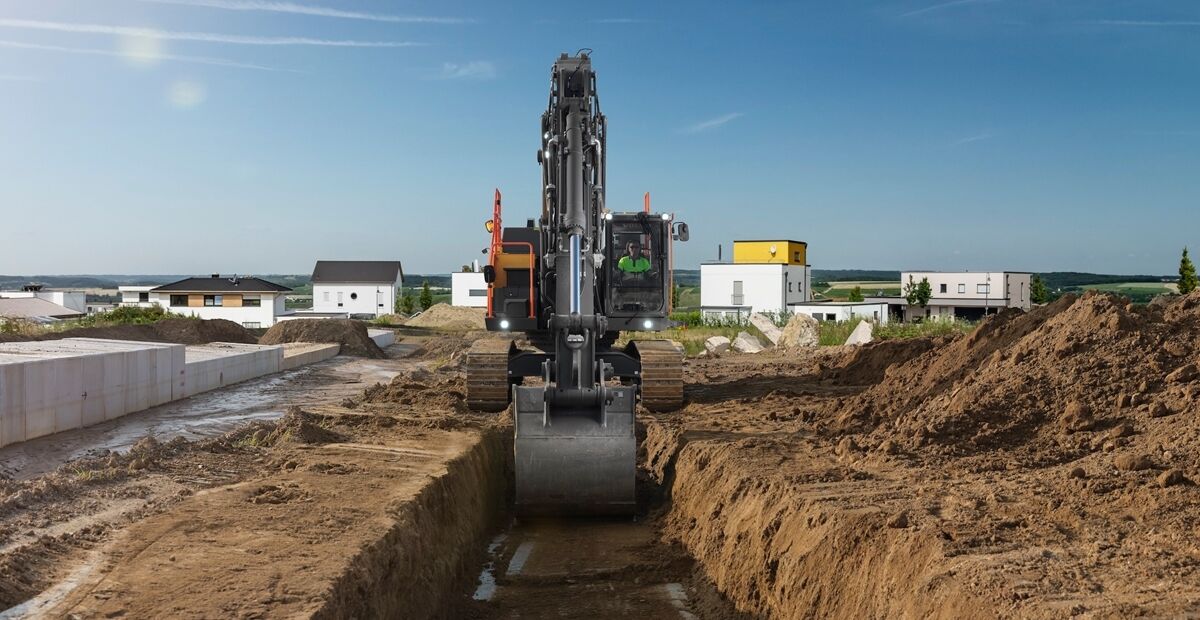
What Is Utility Trenching and When Do You Need It?
The First Step: Call 811 Before You Dig
Before any digging begins — even small projects — you must call 811 (or submit an online request) to have existing underground utilities marked. This is required by law in Missouri and is completely free. Utility companies will come to your property within a few business days and mark the location of their lines using color-coded paint or flags:
- Red: Electric power lines
- Yellow: Gas, oil, or petroleum lines
- Orange: Communication/cable/fiber lines
- Blue: Water lines
- Green: Sewer and drainage lines
- White: Proposed excavation area
- Pink: Temporary survey markings
Hitting an unmarked utility can cause injury, service outages, expensive repairs, and legal liability. We always coordinate 811 locates before starting any trenching work.
The Trenching Process
1. Planning & Design
Every trenching project starts with planning — determining the route, depth, width, and type of utility being installed. We consider soil conditions, existing utilities, drainage patterns, and code requirements.
2. Excavation Methods
We use a combination of mechanical trenching (walk-behind trenchers, mini excavators) and hand digging depending on the situation. Near existing utilities, hand digging is required to avoid damage. For long runs in open areas, mechanical trenching is more efficient.
3. Installation Depths
Different utilities require different burial depths. In Missouri, typical requirements include:
- Water lines: 24-36 inches (below frost line)
- Sewer lines: 12-36 inches depending on grade
- Electric lines: 18-24 inches (in conduit)
- Gas lines: 18-24 inches
- Low-voltage/irrigation: 12-18 inches
4. Backfill & Compaction
After installation, proper backfill is critical. We use clean fill material in lifts, compacting each layer to prevent settling. Poor backfill leads to sinkholes, uneven ground, and potential utility damage.
Safety Considerations
Trenching is inherently dangerous work. Key safety practices include:
- Never enter a trench deeper than 4 feet without proper shoring or sloping
- Always have a competent person on site to evaluate trench conditions
- Keep heavy equipment away from trench edges
- Maintain safe distances from marked existing utilities
- Use proper personal protective equipment (PPE)
- Have an emergency plan in case of trench collapse or utility strike
This is one of many reasons utility trenching should be performed by experienced professionals, not attempted as a DIY project.
Common Utility Trenching Scenarios
- Outdoor kitchen power and water: Running electric, water, and gas lines from the house to an outdoor kitchen location.
- Landscape drainage: Installing French drains, catch basins, or drainage pipes to manage water runoff.
- Irrigation systems: Trenching for sprinkler lines and valve boxes.
- Pool connections: Running water, electric, and gas lines for pool equipment.
- Detached structures: Providing utilities to garages, workshops, guest houses, or accessory dwelling units.
- Septic and sewer: Installing or connecting sewer lines for new structures or additions.
Frequently Asked Questions
How much does utility trenching cost?
Costs vary based on trench depth, length, soil conditions, and the type of utility being installed. Most residential trenching projects in the Springfield area range from $5-$15 per linear foot for basic trenching, with additional costs for utility materials and connections.
How long does a trenching project take?
Most residential trenching projects take 1-3 days depending on scope. Larger projects or those requiring complex connections may take longer.
Can I do utility trenching myself?
While not technically illegal for some utility types on your own property, we strongly recommend professional installation. Improper trenching can damage existing utilities, violate codes, create safety hazards, and lead to costly repairs.
Do I need a permit for utility trenching?
Permits are typically required for any work involving water, sewer, gas, or electrical connections. We handle permit coordination as part of our service.
Need Help With Your Project?
Maxwell Outdoor Design provides free on-site consultations and estimates for all outdoor construction projects in Springfield, MO and the Ozarks.
Related Articles
8 min read
Retaining Walls: Everything You Need to Know Before Building One
Read Article
8 min read
Choosing the Right Patio Material for Your Springfield Home
Read Article
8 min read