The Complete Guide to Site Preparation for Outdoor Construction Projects
Why proper site preparation is the most critical step in any outdoor construction project — and what happens when it’s done wrong.
Why Site Preparation Makes or Breaks Your Outdoor Project
What Does Site Preparation Actually Include?
1. Site Survey and Assessment
Before any equipment arrives, we assess the property — existing grades, drainage patterns, soil conditions, underground utilities (811 locates), setback requirements, and access constraints. This assessment drives the entire site prep plan.
2. Clearing and Demolition
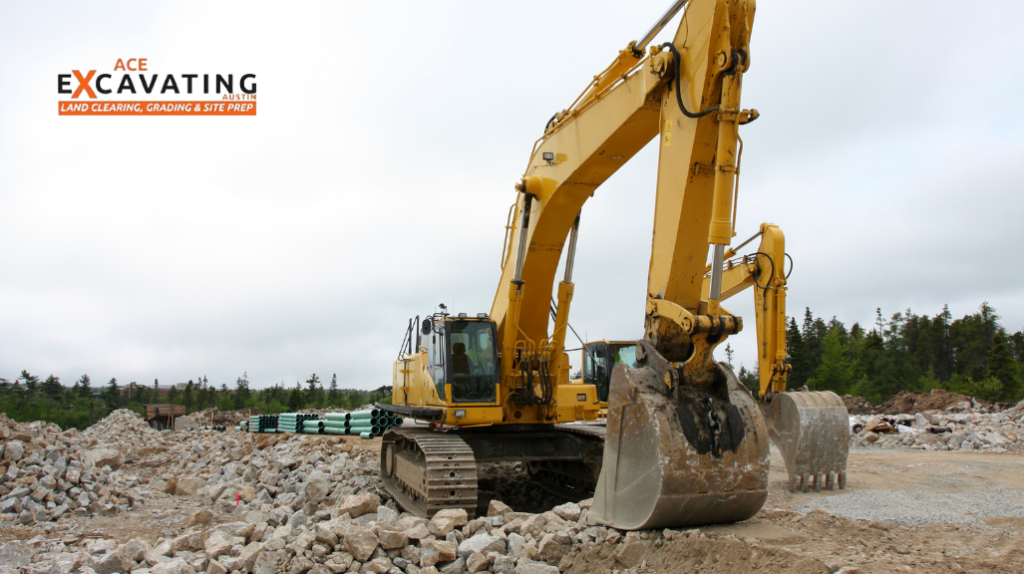
Removing trees, brush, stumps, old structures, existing concrete, and any other materials from the construction area. In the Ozarks, this often includes dealing with rocky outcrops and root systems in clay soil.
3. Rough Grading
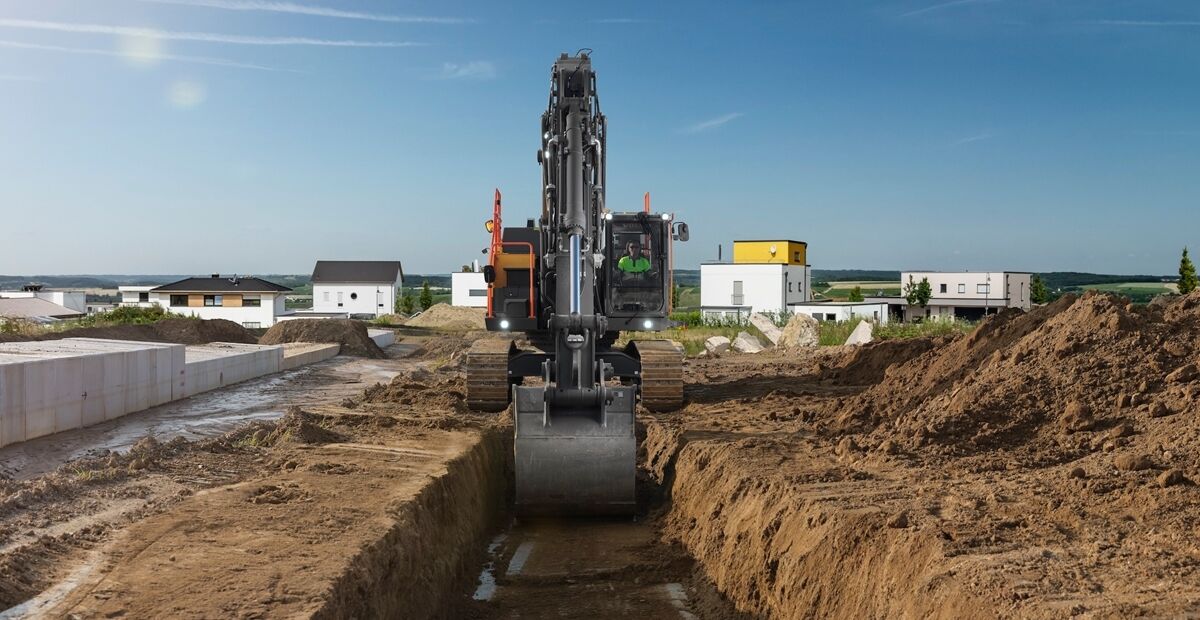
Moving earth to establish the basic shape and elevation of the project area. This involves cutting high spots, filling low spots, and establishing the correct slopes for drainage.
4. Drainage Planning and Installation
Determining where water will go — both surface water and subsurface water. This may include installing French drains, catch basins, swales, dry creek beds, or connecting to existing storm drainage systems.
5. Soil Testing and Evaluation
In some cases, soil testing is needed to determine bearing capacity, composition, and drainage characteristics. This is especially important for larger structures, retaining walls over 4 feet, or areas with known soil problems.
6. Compaction
After grading and fill placement, proper compaction ensures the soil can support the intended load without settling. We use plate compactors, jumping jacks, and roller compactors depending on the area and soil type. Compaction testing may be required for engineered projects.
Common Site Preparation Mistakes Homeowners Should Avoid
- Skipping drainage planning: The most common and costly mistake. Water is the enemy of every outdoor structure. Without a drainage plan, water will find its own path — usually through or under your new construction.
- Building on topsoil or organic material: Topsoil compresses and decomposes over time, leading to settling. All organic material must be removed and replaced with structural fill.
- Inadequate compaction: Uncompacted fill will settle over months and years, causing cracks, gaps, and structural movement. Every layer of fill must be compacted in lifts (typically 4-6 inch layers).
- Ignoring existing grades and drainage patterns: Changing grades without considering the broader drainage picture can redirect water toward your house, neighbor’s property, or other problem areas.
How to Check Your Property for Drainage Issues
Before starting any outdoor project, observe your property during and after heavy rain:
- Where does water collect or pool?
- Where does water flow, and where does it exit your property?
- Are there areas where soil is always wet or soft?
- Does water flow toward your house foundation?
- Are there signs of erosion — gullies, washed-out areas, exposed roots?
Understanding your existing drainage patterns is critical for planning any new construction. If drainage issues exist now, they’ll only get worse when you add impervious surfaces (patios, concrete) or change grades.
The Cost of Skipping Proper Site Preparation
Site preparation typically represents 15-25% of a total outdoor construction project budget. It’s tempting to minimize this cost, but the consequences of poor site prep are far more expensive:
- Settling foundations require excavation and re-pouring ($5,000-$20,000+)
- Drainage failures require demolition, regrading, and rebuilding
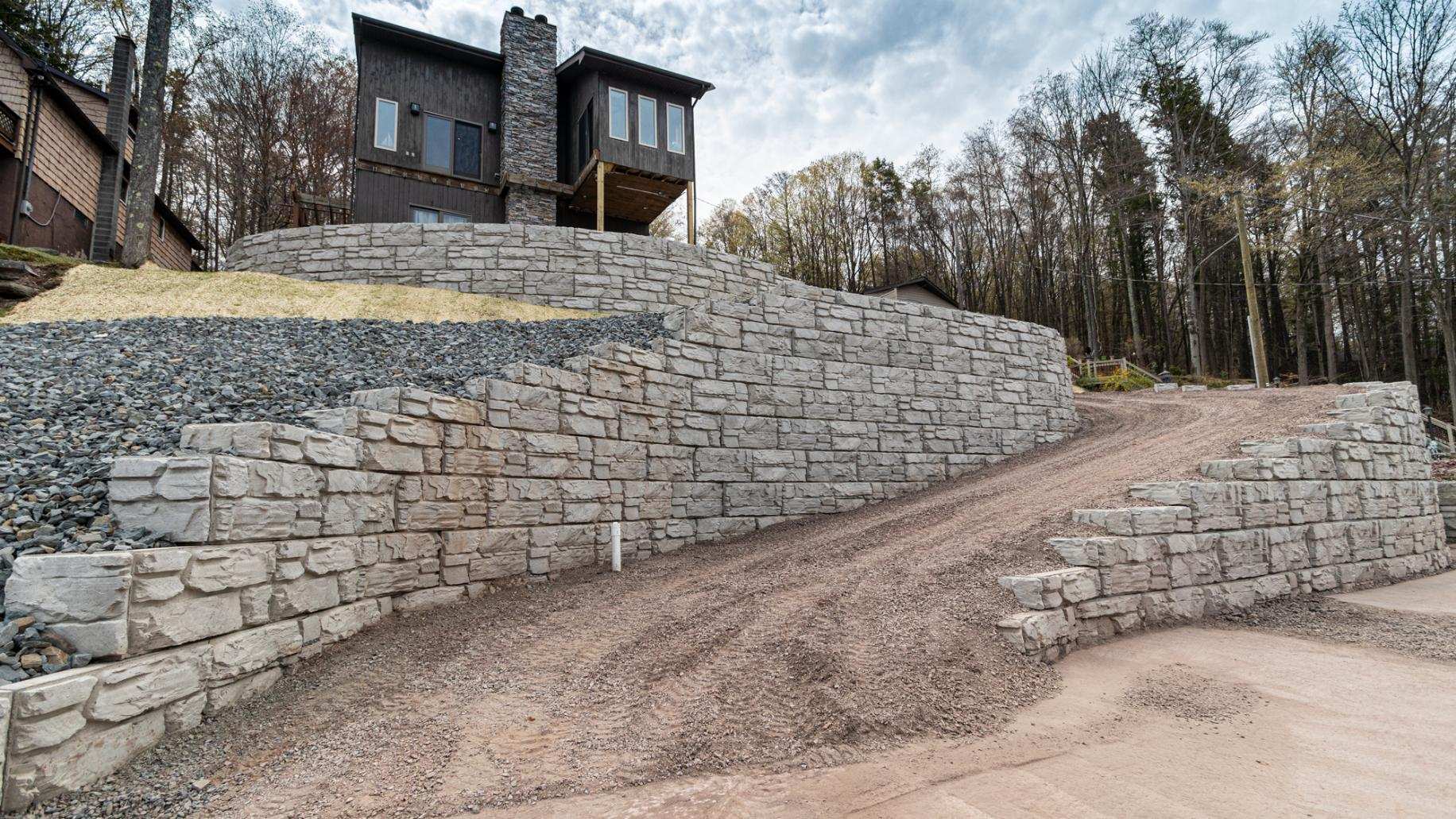
- Retaining wall failures from poor base prep can cost $10,000-$50,000+ to correct
- Water intrusion into homes from improperly graded projects
The right time to do site preparation is once, at the beginning, correctly.
Frequently Asked Questions
How long does site preparation take?
Most residential site prep projects take 1-5 days depending on the scope. Larger projects with significant grading, drainage, or clearing needs may take longer.
Do I need to get permits for site preparation?
Grading permits are required in many jurisdictions for projects that move significant amounts of earth or alter drainage patterns. We handle permit requirements as part of our service.
How much does site preparation cost?
Costs vary widely based on scope, but most residential site prep runs $2,000-$10,000+ depending on clearing, grading, and drainage requirements. We provide detailed estimates before starting any work.
Can site preparation be done in winter?
Yes, in many cases. However, frozen ground, wet conditions, and short daylight hours can slow progress and increase costs. Spring and fall are ideal for site prep work in the Ozarks.
Need Help With Your Project?
Maxwell Outdoor Design provides free on-site consultations and estimates for all outdoor construction projects in Springfield, MO and the Ozarks.